
Industrial PC Solutions for Smart City Applications
Smart parking, self-service kiosks, and municipal monitoring systems share common challenges: incompatible device interfaces, unreliable network connections, and costly on-site maintenance. Industrial PCs provide the local connectivity and computing resources needed to bring these systems together.
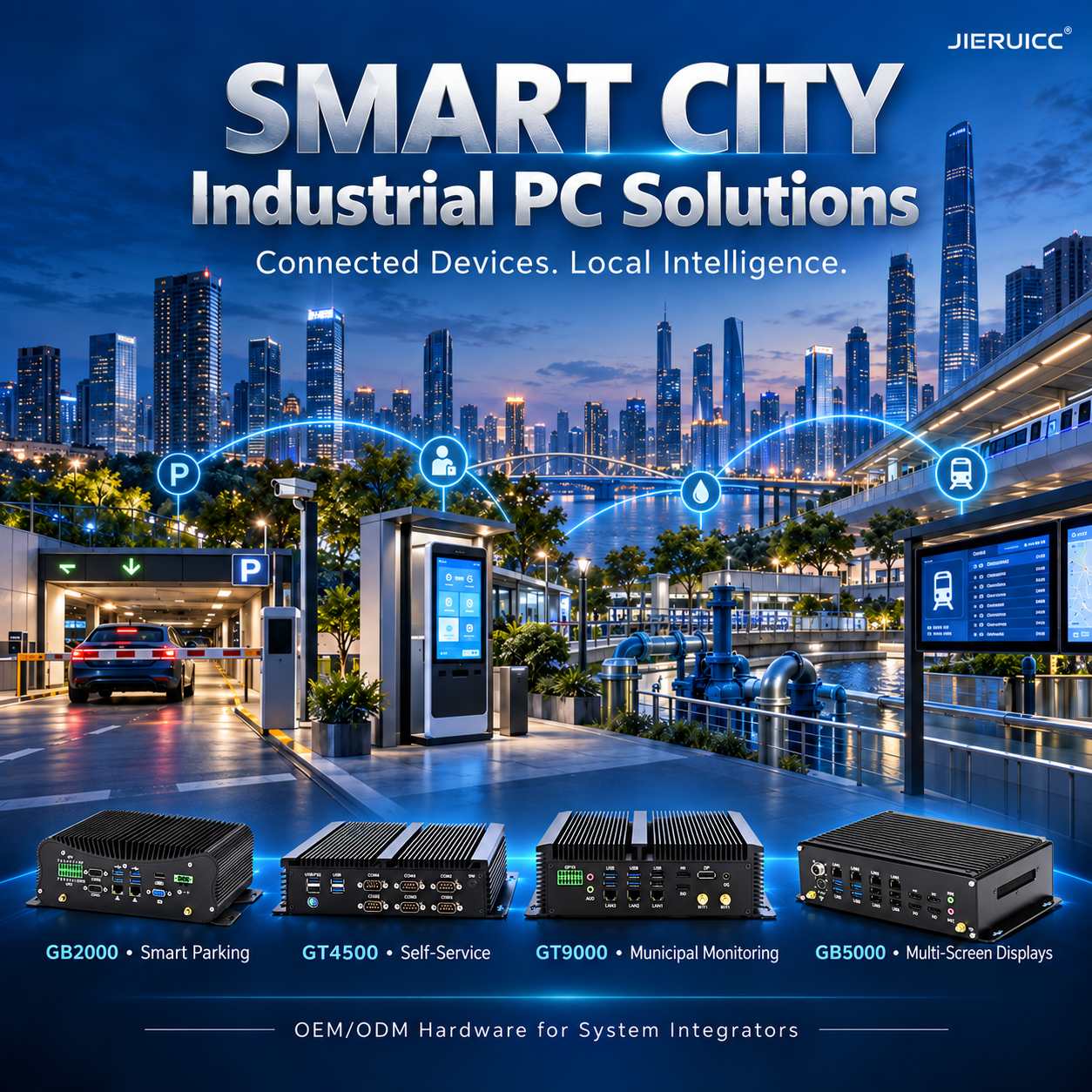
As an OEM/ODM industrial mini PC manufacturer, JIERUICC supports system integrators, equipment manufacturers, and project buyers with hardware selection, customization, and volume production. Our GB2000, GT4500, GT9000, and GB5000 platforms address four practical applications: parking management, public self-service, municipal data collection, and multi-screen information displays.
Each industrial PC connects field devices and runs local applications, while the customer’s software handles business logic, analytics, and platform management.
GB2000: Smart Parking and Access Management
Parking systems must integrate card readers, ticket printers, cameras, and barrier controllers. When essential functions depend entirely on a cloud connection, a network outage can disrupt vehicle access.
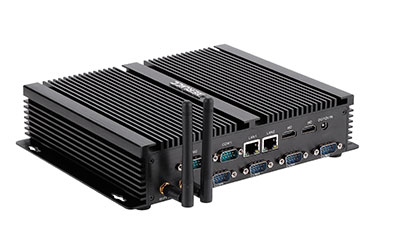
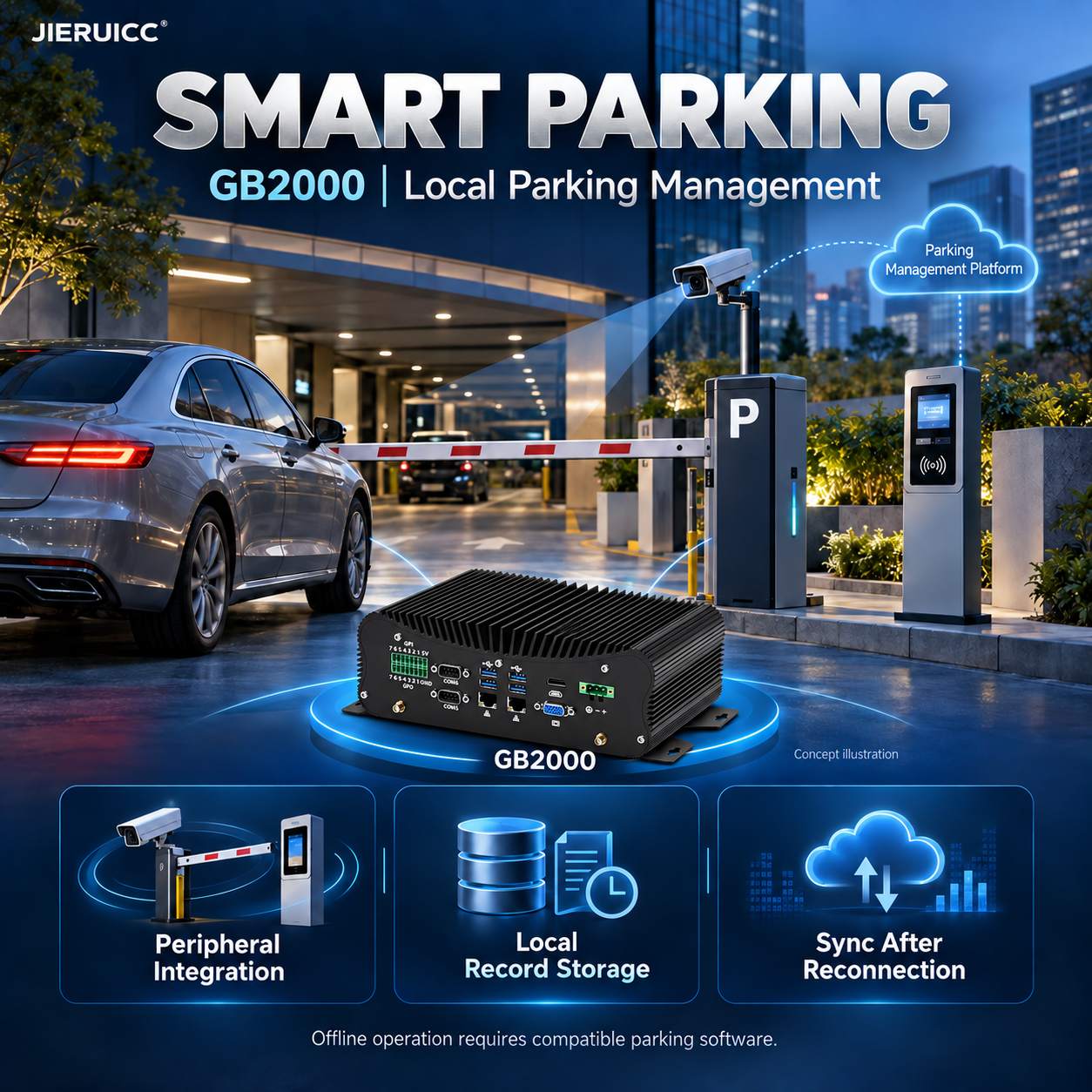
The GB2000 industrial embedded PC combines multiple serial ports, dual Ethernet, USB connectivity, and a fanless design. It can be integrated into a parking payment terminal or access control cabinet to run parking software and a local database.
Serial and USB interfaces connect compatible card readers, scanners, and printers. Ethernet connects license plate recognition cameras and the parking management platform. A dedicated barrier controller operates the gate, exchanging access commands and status information with the GB2000.
With compatible parking software, authorization lists and access records can be stored locally and synchronized when connectivity returns. Offline payment and access policies should be defined and tested before deployment.
Project value: Integrate multiple peripherals on one hardware platform and reduce the impact of network interruptions on vehicle access.
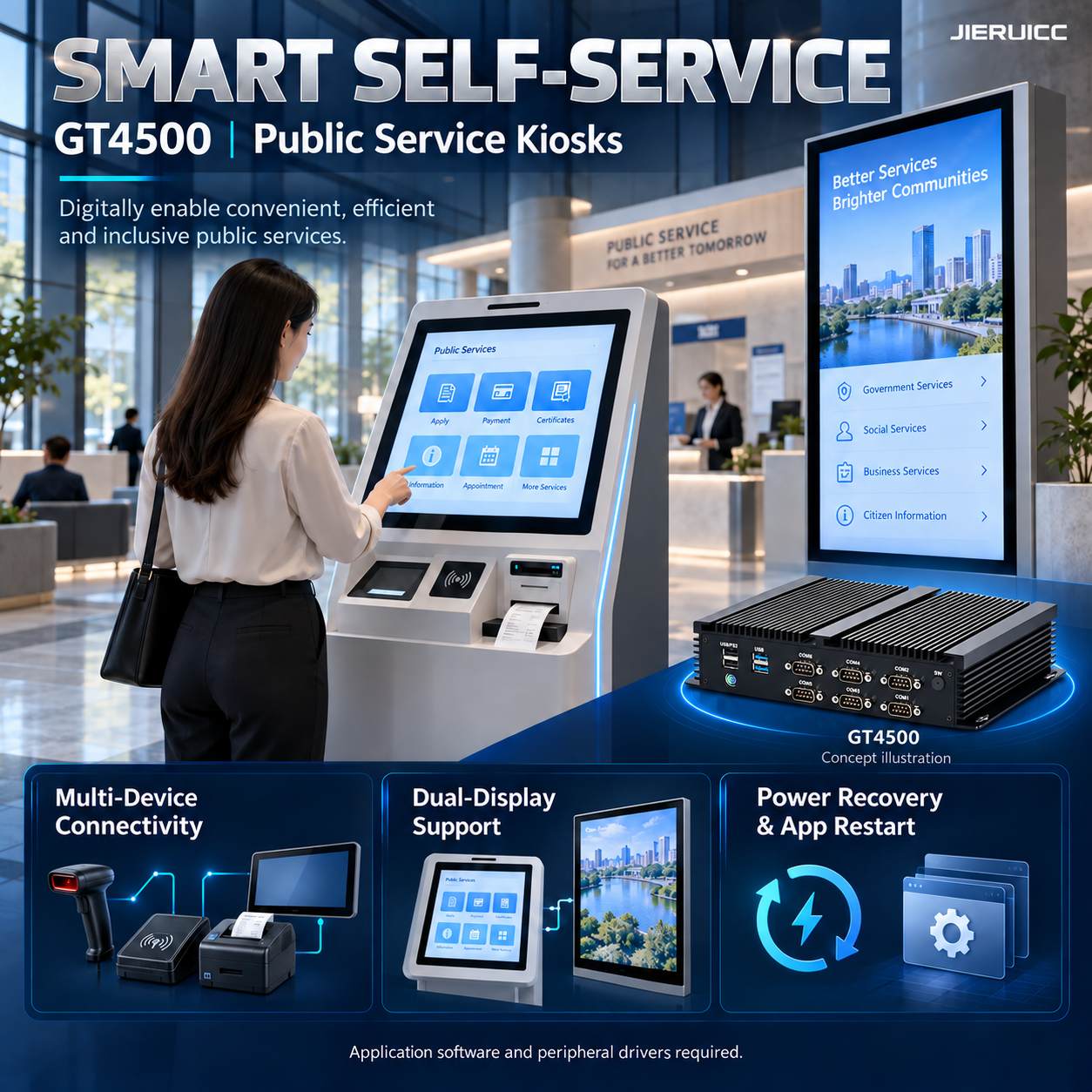
GT4500: Public Self-Service and Information Kiosks
Self-service terminals need to accommodate touchscreens, card readers, scanners, and printers within a limited enclosure. They also need practical recovery and maintenance options for extended operation.
The GT4500 fanless industrial mini PC provides six COM ports, eight USB ports, dual Ethernet, and HDMI plus VGA display outputs. It is suited to queue management terminals, public information kiosks, and self-service ticketing equipment.
Display outputs connect the screens, while USB handles touch input and compatible scanning devices. Serial ports connect supported printers and card readers. The two display interfaces can serve an interactive screen and a secondary information display, depending on the application.
When configured with automatic power-on, application startup, and remote management software, the terminal can return to its operating interface after power is restored. Peripheral drivers, serial settings, and recovery procedures should be verified during integration.
Project value: Simplify multi-device integration in compact kiosks and make routine maintenance easier.
GT9000: Municipal Infrastructure, Environmental, and Energy Monitoring
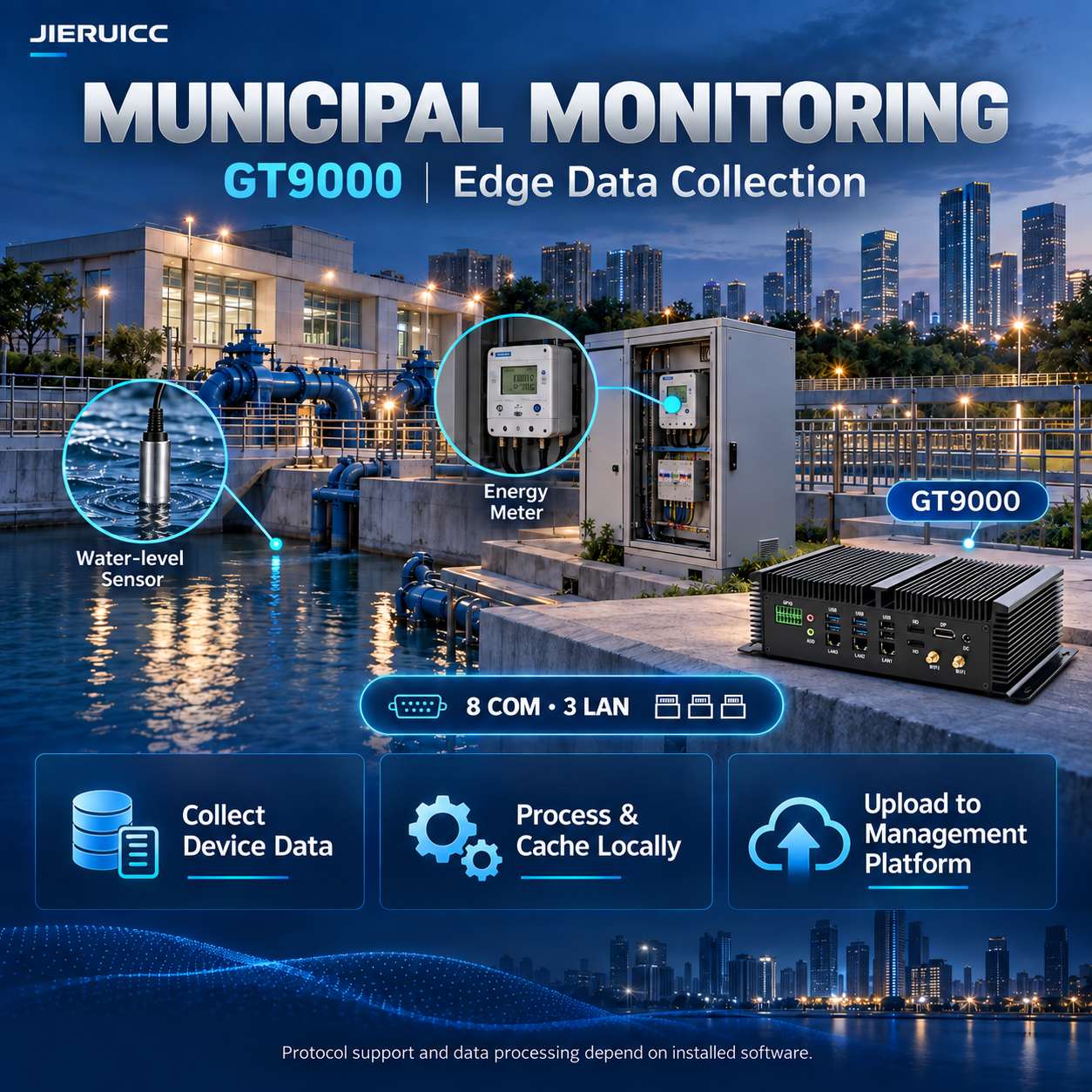
Water levels, energy consumption, and equipment status are often recorded by separate meters and controllers. Collecting this information centrally can be difficult, while continuously transmitting all raw data increases network traffic.
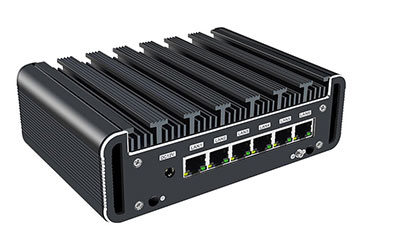
The GT9000 industrial edge PC, in its eight-COM, three-LAN configuration, can serve as a local data collection node in pumping stations, public buildings, and municipal equipment cabinets.
Compatible serial interfaces connect meters and controllers, while Ethernet connects PLCs, network sensors, and upstream systems. Analog sensors require suitable data acquisition modules before their signals can be processed by the PC.
Customers can deploy acquisition software supporting protocols such as Modbus RTU/TCP to validate readings, add timestamps, generate threshold alerts, and buffer data locally. Selected data can then be uploaded to the management platform through MQTT, HTTPS, or another supported protocol. Protocol support depends on the installed software and connected devices.
The three Ethernet ports can provide separate connections for field devices, management access, and platform communication. Network separation requires appropriate firewall and access-control configuration. Critical functions, such as pump protection, remain with the PLC or dedicated controller.
Project value: Consolidate data from distributed equipment, process it locally, and support buffering during outages with subsequent synchronization.
GB5000: Multi-Screen Displays for Transport and Public Services
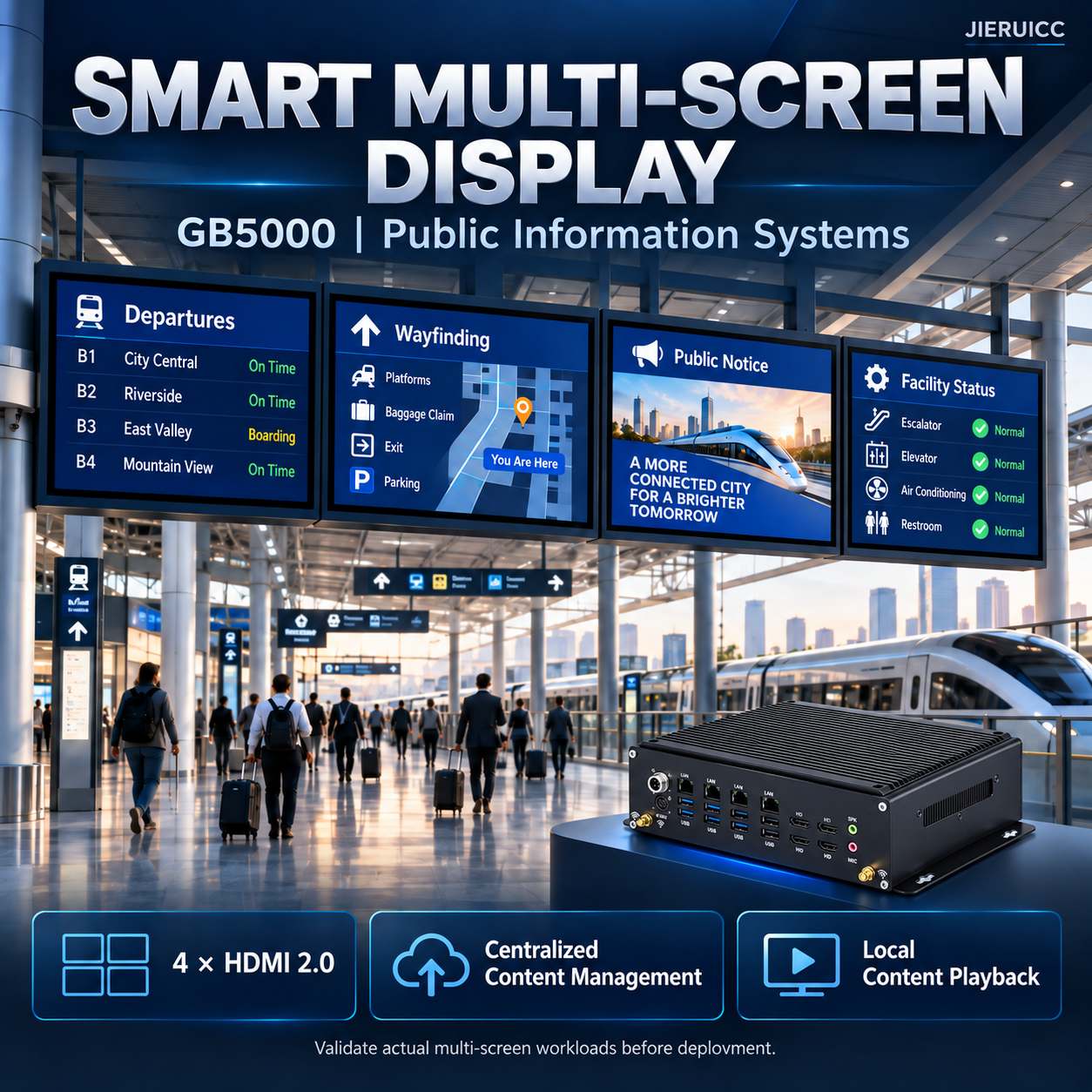
Using a separate player for every information screen increases hardware, cabling, and maintenance requirements. Multi-screen applications also need sufficient computing resources for the intended content.
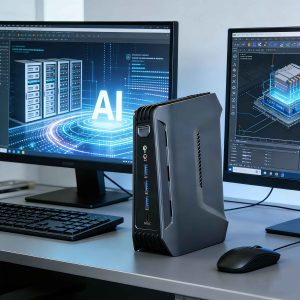
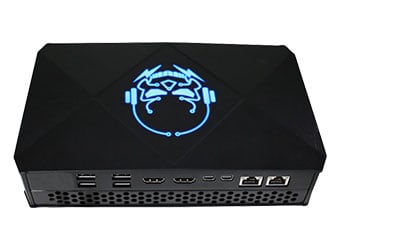
The GB5000 industrial PC provides four HDMI 2.0 outputs and active fan cooling. It is suited to passenger information displays, public-service wayfinding, and multi-screen workstations in local operations rooms.
With compatible content management software, a single system can present departures, directions, public notices, and equipment status across multiple displays. Live information should include update timestamps and connection-status alerts to prevent outdated data from appearing current. Static directions and promotional content can continue playing from a local cache.
Before deployment, test the actual screen resolutions, video formats, and simultaneous playback workload. Installation should also provide sufficient clearance for cooling airflow.
Project value: Drive multiple displays from one industrial PC and simplify on-site hardware and content management.
From Prototype Validation to Volume Deployment
A structured deployment process helps reduce integration risk and maintain consistency across sites.
- Define the device requirements. List peripheral models, communication protocols, serial interface modes, display quantities, and software requirements.
- Validate a prototype. Test driver compatibility, sustained workloads, offline buffering, data synchronization, and recovery after power loss.
- Check installation conditions. Confirm cabinet temperature, power supply, and cooling requirements. Outdoor installations need suitable protection against water, condensation, and electrical surges.
- Standardize the production configuration. Confirm the hardware bill of materials, BIOS settings, operating system image, and interface assignments. Establish version control and spare-unit procedures.
Acceptance criteria should reflect the application, including peripheral connection stability, completeness of synchronized data, service recovery time, and multi-screen playback performance.
OEM/ODM Hardware Support for Smart City Projects
JIERUICC works with system integrators and equipment manufacturers to evaluate processor, memory, storage, connectivity, and mounting requirements. Depending on project scope, we support branding, hardware customization, and volume production.
From prototype integration to batch delivery, we help customers confirm hardware compatibility, configuration consistency, and maintenance requirements so that a validated design can be deployed across additional sites.
Specifications and available options vary by configuration. Confirm power input, serial modes, expansion capabilities, and operating conditions against the approved specification before deployment.
Share your application, peripheral list, software requirements, and estimated quantity with JIERUICC to receive a recommended GB2000, GT4500, GT9000, or GB5000 configuration and project quotation.