
Edge Computing Deployment: How Industrial Mini PCs Solve Industry Bottlenecks
With the explosive growth of IoT devices (the number of global connections is expected to reach 27 billion by 2025), the shortcomings of the traditional “terminal-cloud” architecture have become apparent. Network latency, bandwidth costs, and data security risks are driving edge computing to become the core engine of the digital economy, and Industrial Mini PCs, with their compact size, industrial-grade stability, and flexible adaptability, have become the preferred hardware for edge scenarios.
- Current Status of Edge Computing: IndustrialMini PCsas a Key Support for Deployment
Edge computing, by placing computing power at the network edge, achieves millisecond-level response, bandwidth optimization, and offline operation, making it a standard feature for transformation in fields such as Industry 4.0 and smart cities. The rapid rise of Industrial Mini PCs as core hardware is due to their precise matching with edge deployment needs.
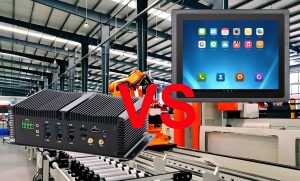
Industrial Mini PCs dedicated to edge computing exhibit three main characteristics: First, the widespread adoption of multi-core heterogeneous architectures, with CPU+GPU+NPU chip solutions (such as Intel Core Ultra and Rockchip RK3588) adapted for AI edge inference; second, rising customization demands, with industry-specific needs driving modular design upgrades; and third, deepening “cloud-edge-device” collaboration, making them a core hub on the edge.
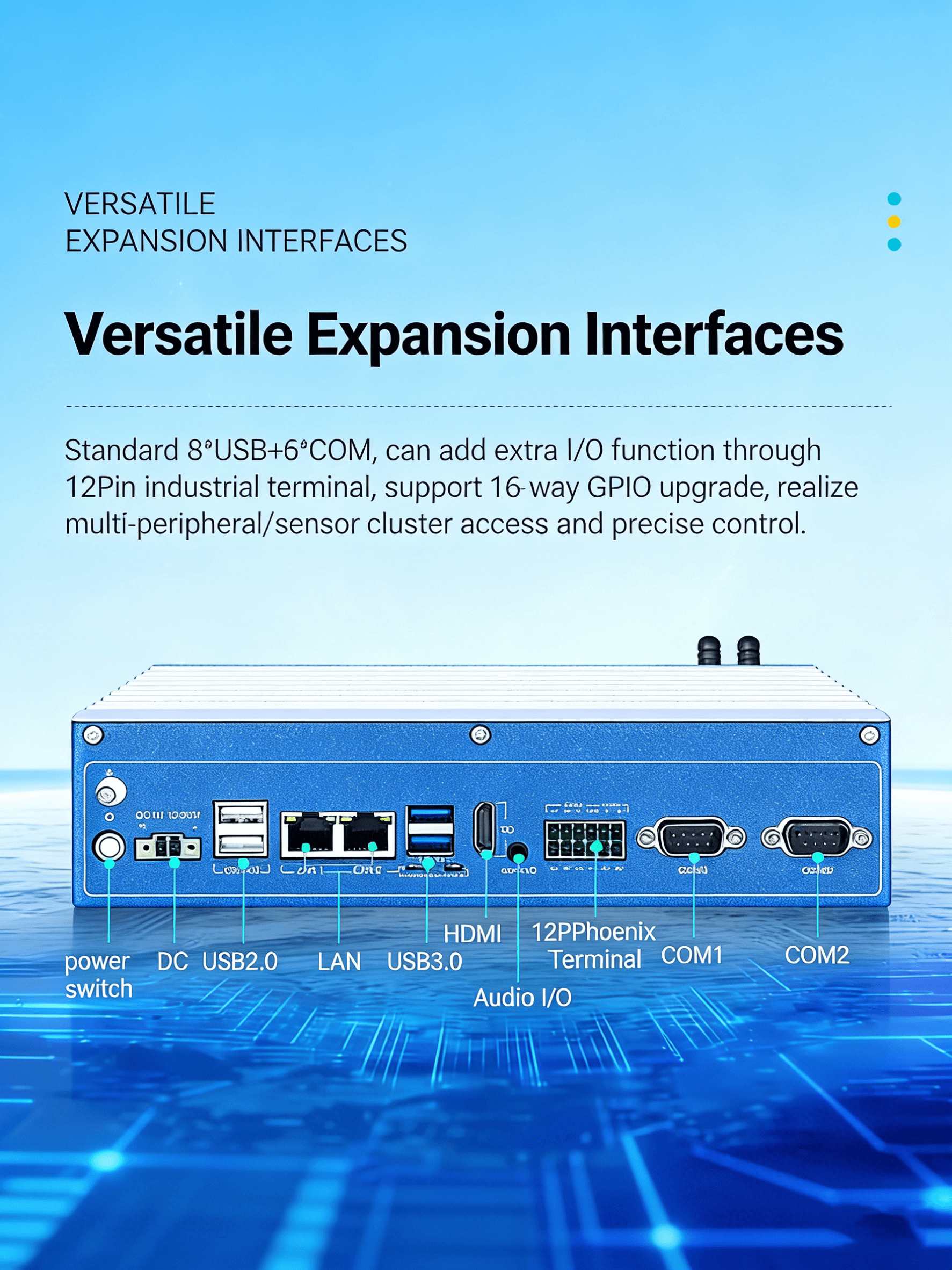
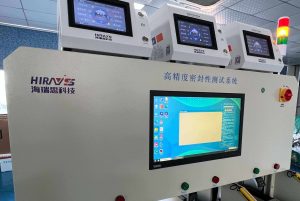
Currently, Industrial Mini PCs have been deployed on a large scale: in smart manufacturing for production line monitoring and AI defect detection, in smart transportation for traffic flow analysis and signal control, in logistics for warehouse picking, and in healthcare for bedside data collection and privacy storage, serving as the “hardware foundation” for edge computing deployment.
- Core Pain Points in Edge Computing Deployment: Industry Bottlenecks, Industrial Mini PCs Need to Overcome
In edge computing deployment, Industrial Mini PCs face four major pain points that hinder large-scale deployment and are also core concerns for purchasers:
- The contradiction between performance and scenario adaptability
Edge scenarios have polarized computing power requirements. Traditional Industrial Mini PCs either lack sufficient computing power or have excessive power consumption, making them difficult to reuse across different scenarios. Furthermore, the complex protocols used by edge devices (Modbus, MQTT, etc.) and insufficient compatibility among most models drive up integration costs.
- Insufficient Reliability in Extreme Environments: Edge nodes are often deployed in harsh environments, requiring tolerance to wide temperature ranges (-20℃ to 70℃), vibration, and dust. Consumer-grade minicomputers cannot meet 24/7 operation requirements, with an MTBF of less than 3000 hours, far below the industrial-grade standard of 50,000 hours.
- Weak Operation and Security Systems: The dispersed nature of edge nodes leads to inefficient and costly manual maintenance. Simultaneously, the nodes are located at network boundaries, and most models lack encryption and protection mechanisms, making them susceptible to data leaks and device misuse.
- The Challenge of Balancing Computing Power and Power Consumption: Edge scenarios suffer from unstable power supply and limited energy consumption, while the demands of AI inference and other applications escalate computing power requirements. Traditional models struggle to balance high performance and low power consumption, creating a core performance contradiction.
III. Mini PC Solution for Overcoming Bottlenecks: Precisely Matching Core Edge Computing Needs
Addressing four major pain points, we have developed an industrial-grade mini PC solution, leveraging four key advantages to overcome bottlenecks and provide cost-effective support for integrators and purchasers.
- Modular Computing Power Design, Adapting to All-Scenario Needs
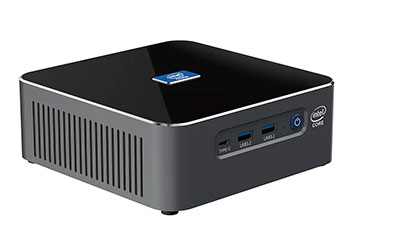
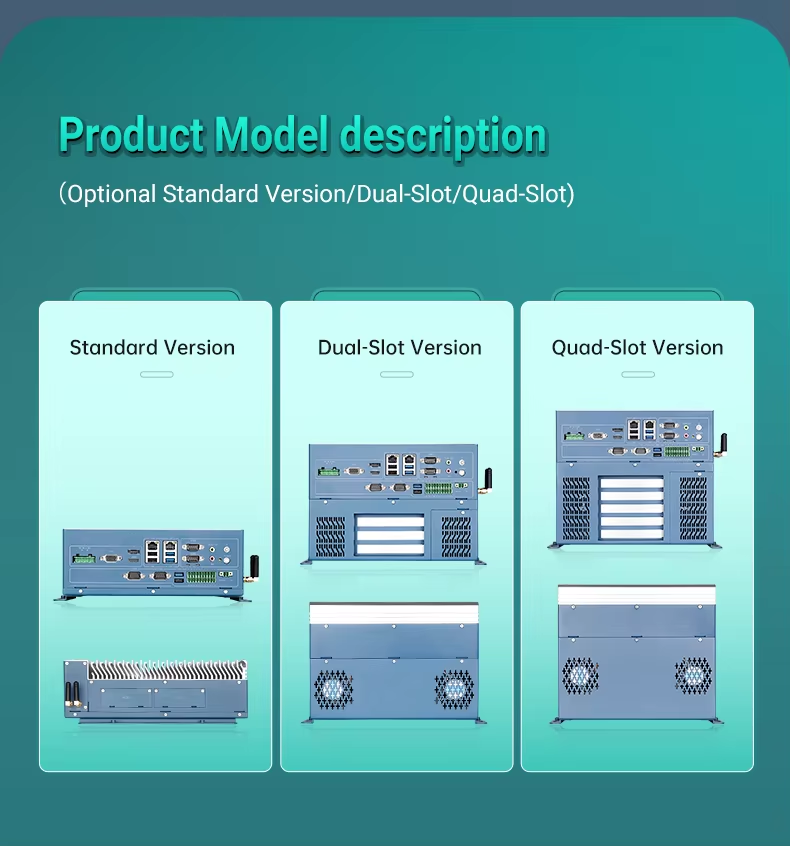
Adopting a multi-core heterogeneous + modular architecture, it offers multiple configuration options: high-end models are equipped with Intel and AMD chips to meet complex tasks such as AI inference; entry-level models use the low-power J6412 chip, with 10W standby power consumption suitable for lightweight scenarios. Native compatibility with multiple communication protocols reduces integration difficulty.
- Industrial-Grade Protection Design, Ensuring Reliability in Extreme Environments
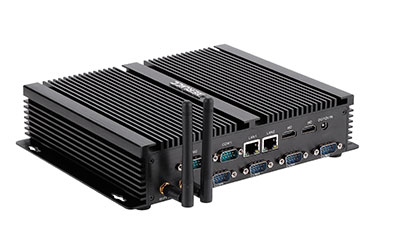
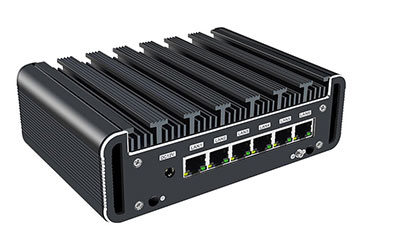
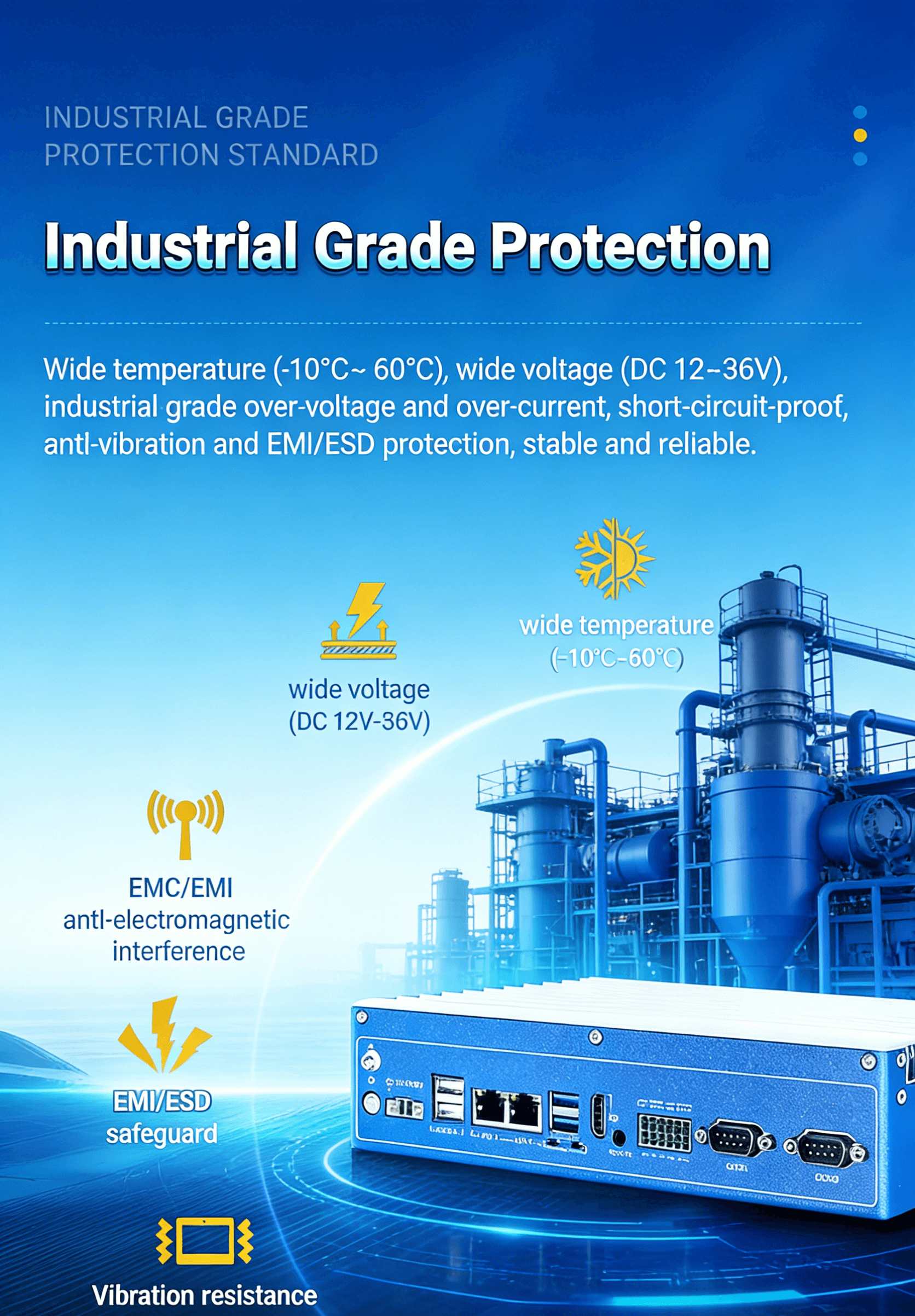
Industrial-grade protection system: Fanless, fully enclosed metal casing (IP40+), passive cooling adapts to a wide temperature range of -20℃ to 70℃, industrial-grade components ensure an MTBF exceeding 60,000 hours, meeting the 24/7 operation requirements in extreme scenarios.
- Intelligent Operation and Maintenance + Multiple Encryption, Ensuring Security and Controllability
Built-in remote management module supports real-time cloud monitoring, fault warnings, and remote troubleshooting, significantly reducing operation and maintenance costs. Equipped with a TPM 2.0 chip, it achieves data encryption and identity authentication, building a solid security defense.
- Low-power optimization technology, balancing computing power and power consumption.
Through chip selection, circuit optimization, and intelligent power consumption adjustment, a balance between performance and power consumption is achieved. The entire series is CE, FCC, and RoHS certified, and can be directly deployed in major global markets.
- Summary: IndustrialMini PCsEnable Large-Scale Deployment of Edge Computing
The core of edge computing deployment lies in hardware scenario adaptation, and Industrial Mini PCs are the core support. Our solutions are scenario-oriented, balancing performance, reliability, and cost, adapting to edge needs in multiple fields.
JIERUICC Industrial mini pc Recommended for edge computing solution:
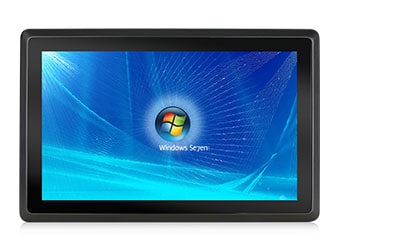
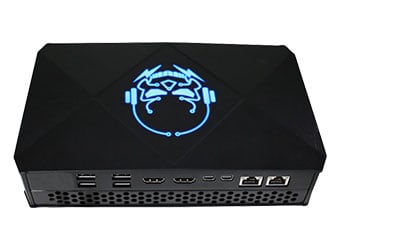
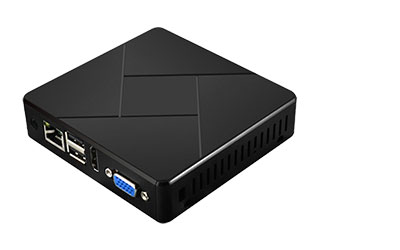
JIERUICC GC Series Industrial PCs
If you are advancing an edge computing project and facing selection challenges, please contact us for details on customized solutions!